Q1.Will the headshot still look good on a large screen or in print?
Yes. The output is a high-resolution, real-style portrait that holds up on LED walls, projection, and printed programmes without the artefacts that often give away lower-quality AI.
Event bookers and audiences decide in seconds. Get a confident, commanding portrait for your speaker bio, keynote slides, and event pages from a few everyday photos, with photographer-led direction tuned to the speaking circuit.
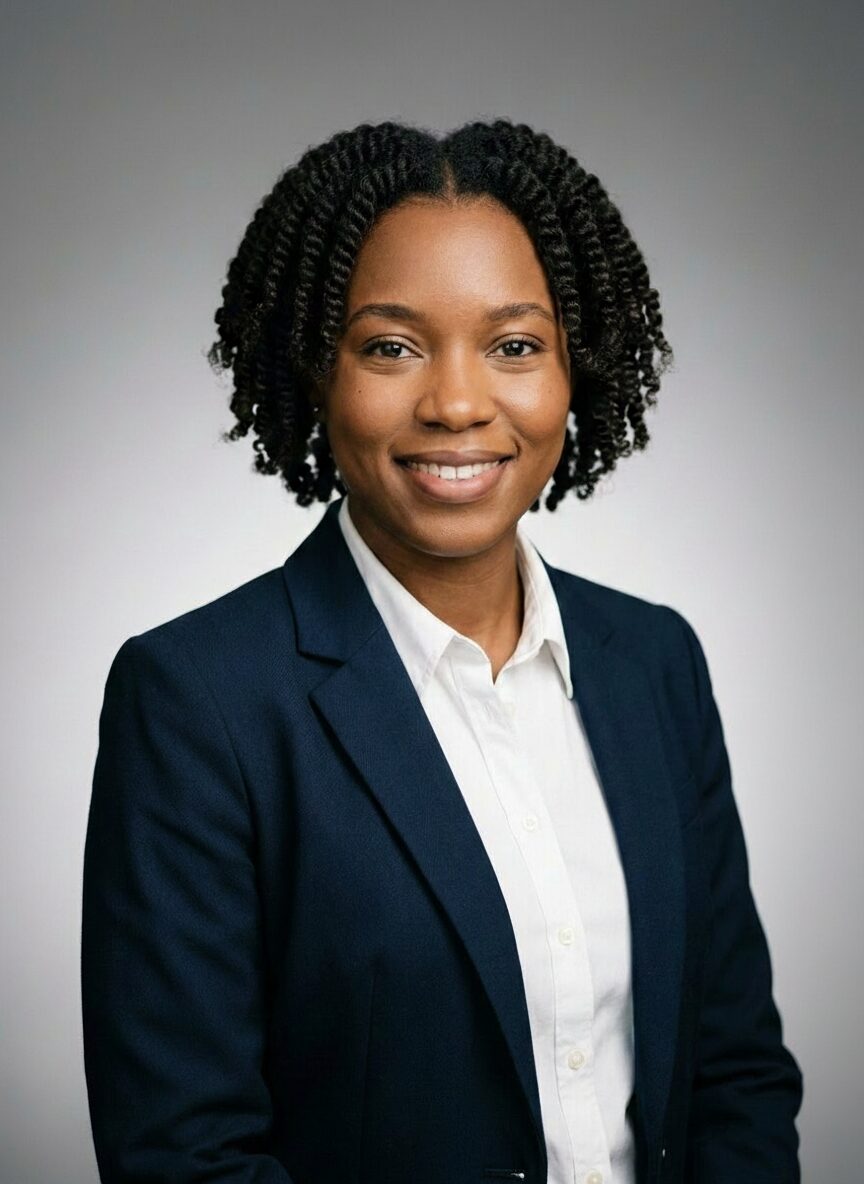
Corporate Studio
Clean, straightforward business portrait styling.
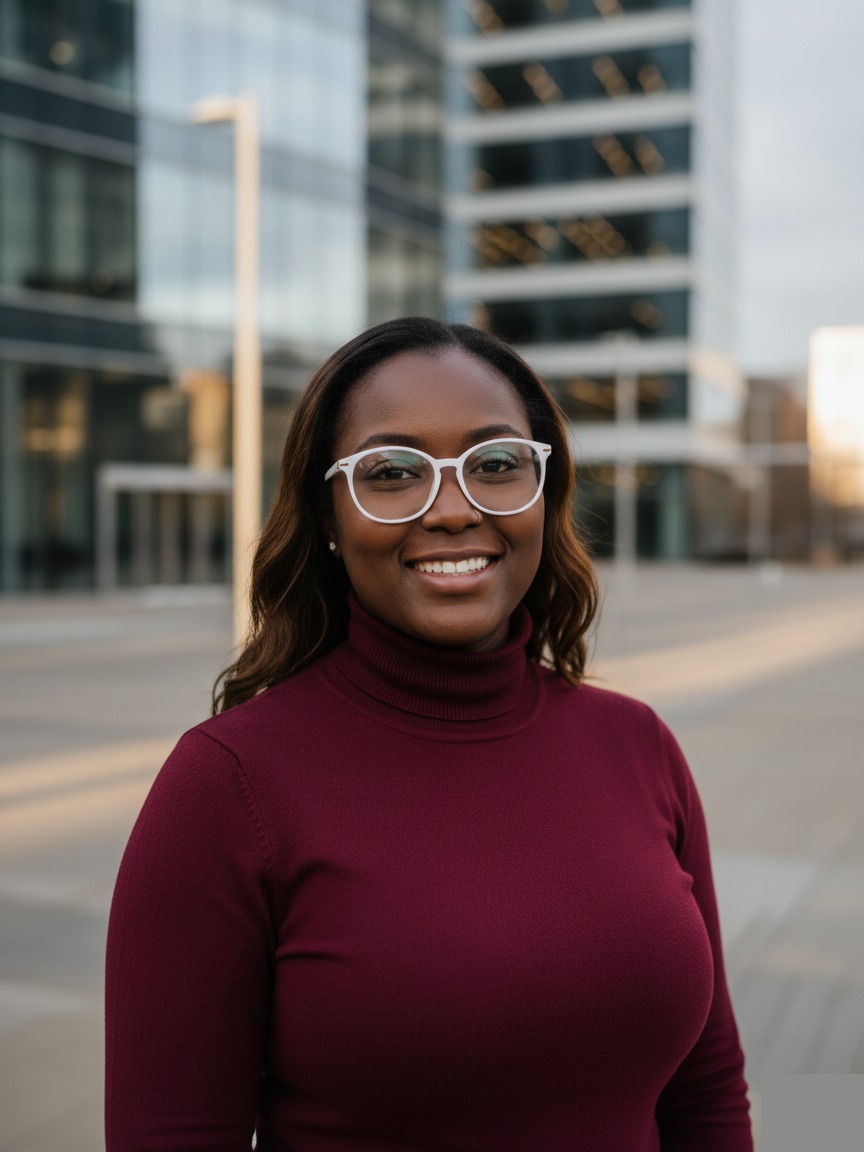
Outdoor Corporate
Natural light and a less formal business look.
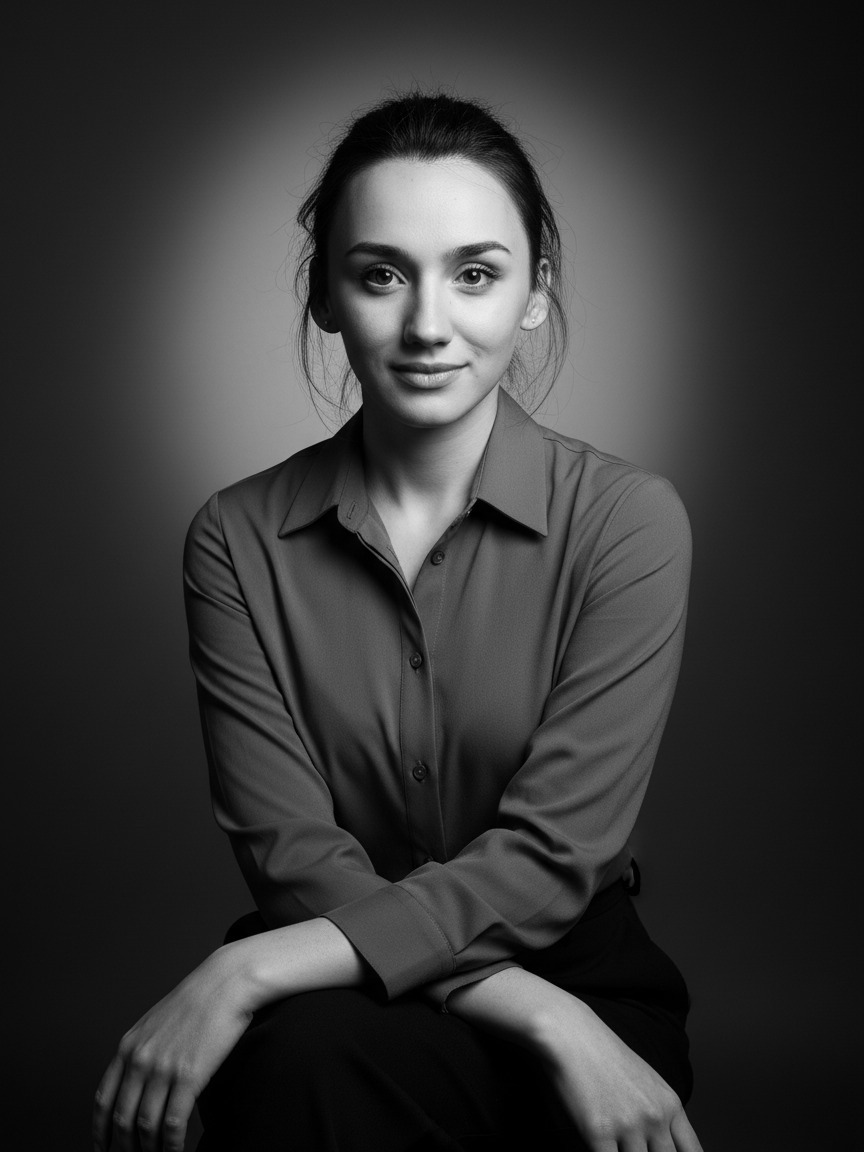
Premium Direction
Higher-drama portrait treatment for stronger personal branding.
Event bookers, conference programmers, and journalists routinely scan through dozens of speaker bios in a sitting, often on a phone or a tired laptop. The photo is the first filter. It signals whether you look like someone who can hold a thousand-seat room, do a fireside chat on a small stage, or carry a tough panel, all before anyone reads a line of your bio.
The brief is unusually demanding because the same portrait has to work at three sizes at once: a small thumbnail in a mobile schedule, a mid-size headshot on a bio page, and a full-screen slide while you are actually on stage. A weak image fails at one of those three. A strong one carries all of them.
Sharp and stage-ready. A well-cut blazer or jacket in a solid, mid-to-deep tone reads from the back row of a conference hall and photographs cleanly under stage lighting. Avoid fine patterns that moiré on big LED walls and busy logos that distract on a print programme.
A clean studio or softly blurred office-corporate background keeps attention on you and matches the look of most event websites. A darker, more dramatic treatment reads as keynote-tier and is a common choice for paid keynotes and TED-style talks.
Confident and present. A poised, lightly open expression with direct eye contact projects the energy of someone an audience wants to listen to for an hour, without tipping into salesy or hard.
Speaker bureau pages, event websites, and conference programmes
Keynote slides, AV loops, and on-screen speaker cards
Book jacket, podcast guest promo, and press kits
LinkedIn, YouTube thumbnails, and personal site
A speaker portrait is reused more than almost any other kind of business headshot. It shows up in proposals, on slides, in print, and on tiny thumbnails in mobile schedules, often for years. Portraix lets you keep one strong, current image across all of it, refresh it before a new tour or topic shift, and create a matching set if you co-present or run a speakers collective.
Upload a few everyday photos and review a preview in about a minute. No scheduling, no travel, no half-day booked out.
See watermarked results first and only pay if they look like you and meet your professional standard. No blind purchase.
Use your headshots anywhere your work takes you: profiles, websites, bios, listings, proposals, and press.
Common questions from public speakers considering AI headshots for real professional use.
Yes. The output is a high-resolution, real-style portrait that holds up on LED walls, projection, and printed programmes without the artefacts that often give away lower-quality AI.
Yes. Choose a darker studio treatment with a more confident expression, which is a common direction for paid keynotes, leadership events, and TED-style talks.
Yes. You can refresh your look whenever your speaking focus changes, which is common for speakers who move from one niche to another or step into a bigger room.
Start with a free preview and only pay if you love the result.